
SURFACE MOUNT
TECHNOLOGY.
High-precision SMT assembly for high-density printed circuit boards, supporting prototype, pre-production and volume manufacture.
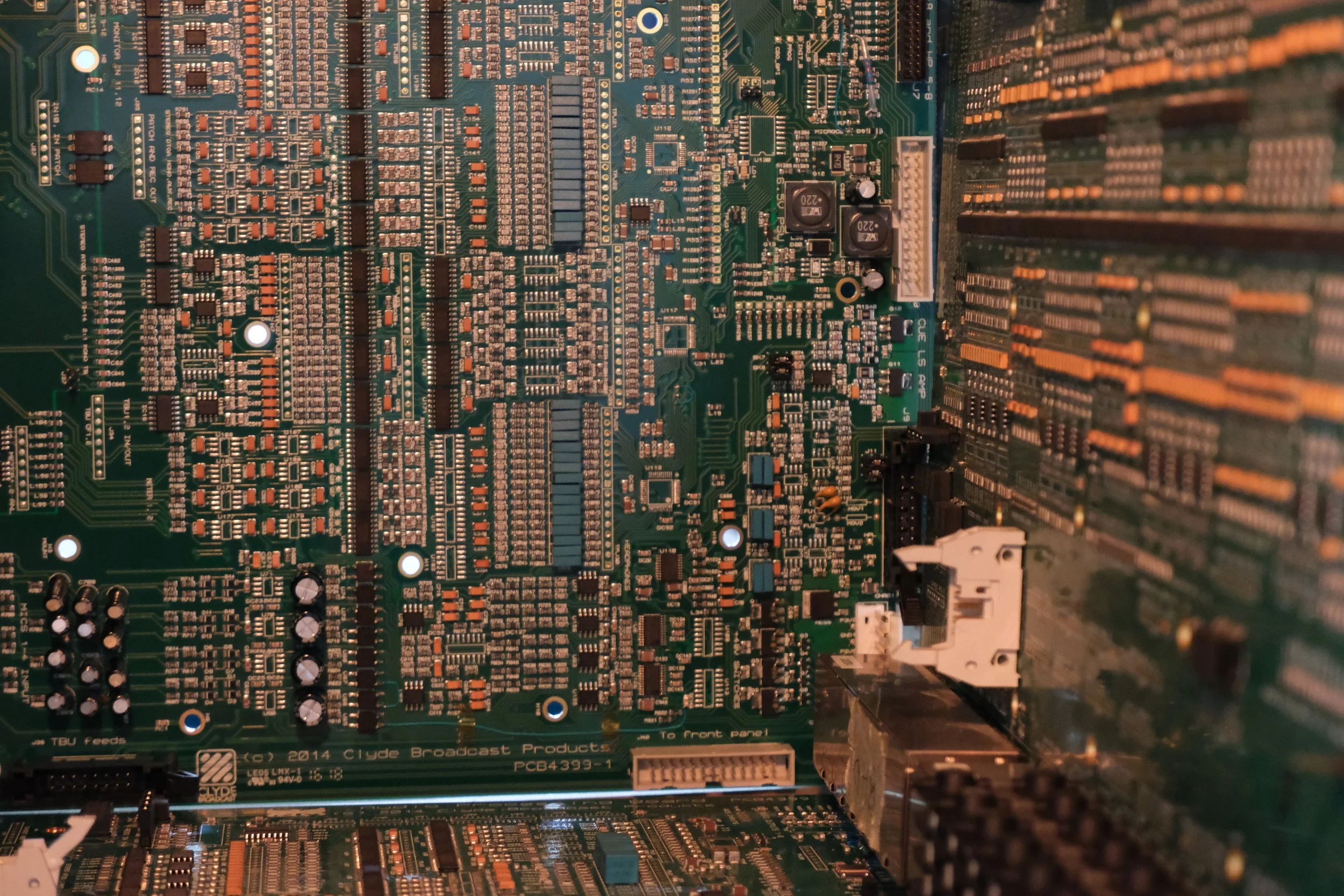
PRECISION AT
EVERY STAGE.
Icom-Scottech provides surface-mount technology (SMT) assembly for high-density printed circuit boards, supporting prototype, pre-production and volume manufacture.
We assemble a wide range of component packages, including micro-BGA devices, 0201 passives and large form packages such as connectors, tailoring the build approach to each product's technical and regulatory requirements.
From first article builds through to repeat production, our objective is consistent workmanship, predictable yields and robust, field-ready assemblies.
GET IN TOUCH →
CONTROLLED.
REPEATABLE. PRECISE.
Every stage of our SMT process is carefully controlled to support repeatable soldering performance, accurate placement and dependable finished assemblies.
SOLDER PASTE DEPOSITION
Controlled stencil design, aperture geometry and print parameters help achieve the required paste volume and reliable solder joint formation.
AUTOMATED PLACEMENT
Placement programmes are verified for component orientation, polarity and package alignment, with feeders and nozzles managed for consistent pick-and-place accuracy.
REFLOW SOLDERING
Reflow profiles are established, validated and maintained around PCB construction, thermal mass and component limitations.
IN-PROCESS INSPECTION
Multiple split machinery lines allow inspection between production stages so issues can be identified and corrected promptly.
AOI & QUALITY ASSURANCE
Visual inspection and automated optical inspection can be used to confirm component presence, polarity, orientation and solder joint quality.
QUALITY BUILT INTO
EVERY STAGE.
Our SMT builds follow a controlled, repeatable process designed to maintain placement accuracy, soldering performance and assembly quality throughout production.
BUILD PREPARATION
Technical requirements, component packages and production controls are established around the individual assembly.
SOLDER PASTE APPLICATION
Stencil and print parameters are selected to achieve controlled paste deposition while minimising potential soldering defects.
COMPONENT PLACEMENT
Automated placement programmes are verified for orientation, polarity, alignment and accurate component positioning.
REFLOW
Validated thermal profiles provide stable time-above-liquidus and peak temperatures for reliable, repeatable soldering.
INSPECTION & QUALITY
In-process inspection, visual inspection and AOI are applied as appropriate to verify workmanship and finished assembly quality.
CONSISTENCY
BUILT IN.
CONTROLLED REWORK.
DOCUMENTED QUALITY.
Where non-conformances are identified, rework and repair are undertaken by trained personnel in accordance with IPC-aligned workmanship expectations and documented work instructions.
HAVE AN SMT
PROJECT IN MIND?
From first article builds to repeat production, speak to our team about your PCB assembly requirements.