
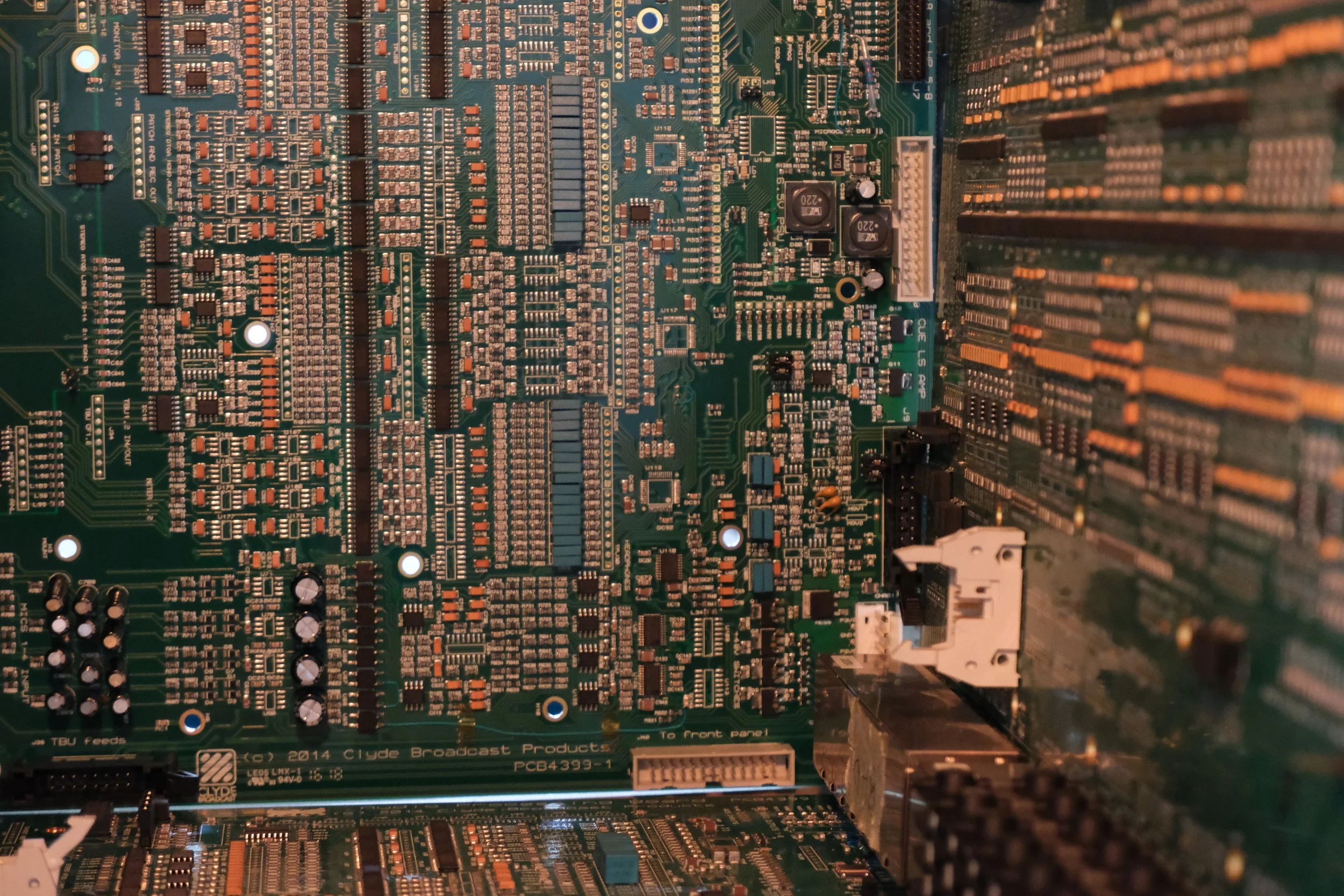
DESIGN FOR MANUFACTURE
Icom-Scottech provides design for manufacture (DFM) support to help customers translate design intent into a robust, repeatable and cost-effective manufacturing process. We collaborate during new product introduction and ongoing production to identify manufacturability risks early, improve buildability, and reduce the likelihood of defects, rework and schedule disruption. DFM input can be applied across electronics assembly, cable harness manufacture and mechanical/box-build integration and is delivered within an ISO 9001-aligned quality management framework.
DFM activities may include review of the bill of materials (BOM) and approved vendor list (AVL), assessment of component availability and lifecycle risk, and verification of PCB footprints, land patterns and polarity/orientation conventions. We can provide feedback on panelisation strategy, fiducials, tooling holes, solder mask clearances and other features that affect placement accuracy, soldering performance and inspection coverage, as well as design-for-test (DFT) considerations such as access for probes, connector selection and test-point strategy. Workmanship expectations are agreed with the customer, including the applicable IPC class where specified, and build documentation is reviewed to ensure that acceptance criteria are clear, measurable and achievable in production.
Outputs from DFM are captured through disciplined documentation and configuration control, including clarified fabrication and assembly notes, controlled work instructions and build packs, and agreed inspection and test requirements. Where appropriate, we support first-article and pilot builds to validate processes, confirm yields, and establish stable process parameters prior to release to repeat production. Continuous improvement is supported through structured review of inspection and test outcomes, nonconformance reporting, and corrective and preventive action (CAPA), with root-cause analysis used to drive targeted process, tooling or documentation updates. This feedback loop helps to reduce variation over time and maintain reliable, repeatable performance throughout the product lifecycle.